
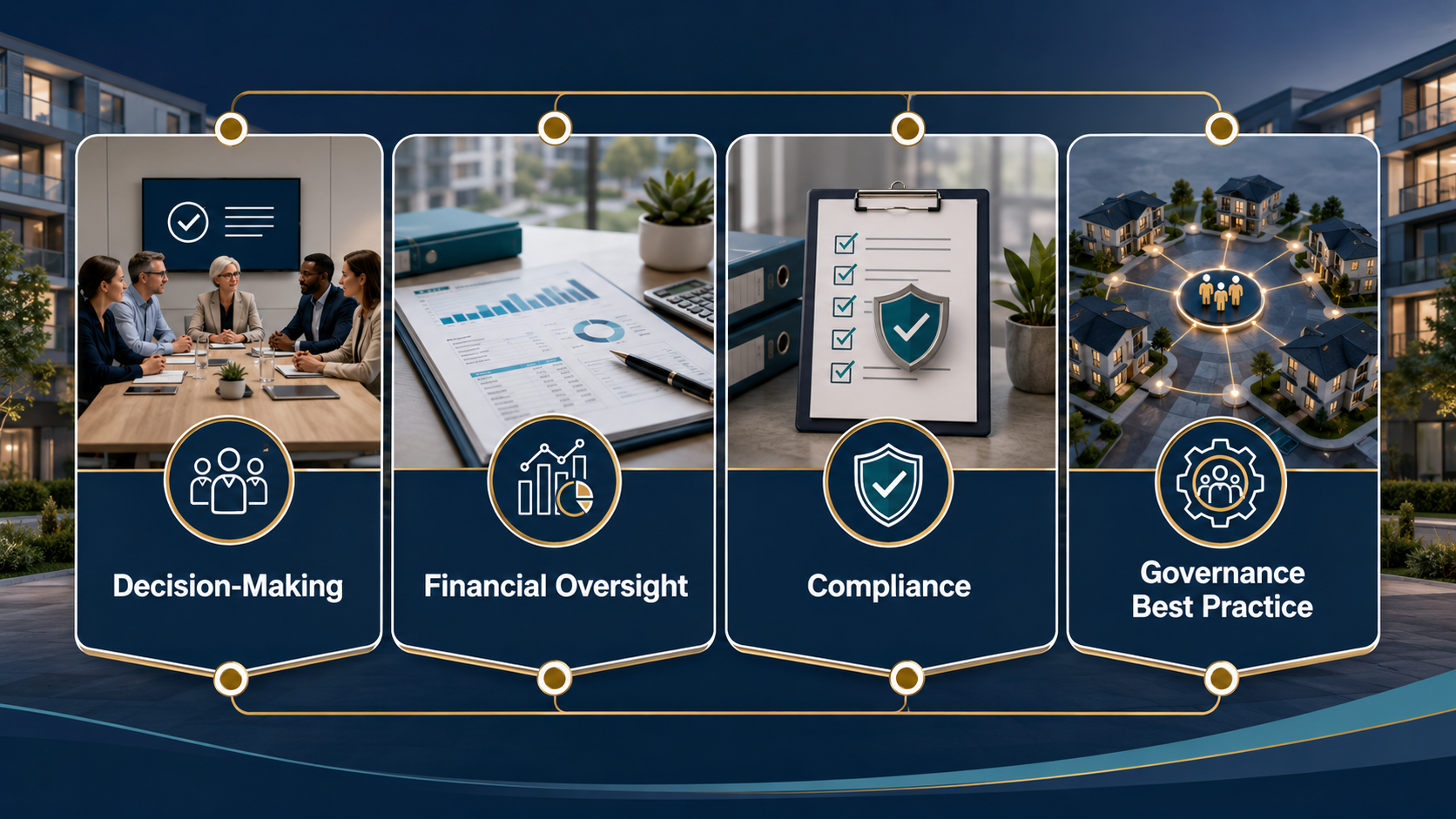
Fiduciary Duties of Scheme Executives – Decision-Making, Financial Oversight, Compliance & Governance Best Practice
Strong schemes don’t happen by accident – they happen when trustees and directors consistently apply good governance principles, document decisions, manage risk, and communicate clearly. This article breaks down what “fiduciary duty” looks like in real day-to-day 0.
1) Decision-making must be documented – every time
A major theme of the webinar was simple:
If it isn’t documented, it becomes difficult to defend – and may be challenged.
Trustees/directors can make decisions without physically meeting in person, but outcomes must be recorded.
Valid decision methods discussed:
- Round-robin resolutions (typically via email voting)
- Written resolutions (including digital signing workflows)
- Electronic meetings (including video calls), provided attendance and decisions are recorded and minuted.
Documentation protects trustees/directors when decisions are questioned, disputed, or escalated.
2) Budgets, levies and financial governance
Trustees/directors remain accountable for scheme finances, even where the managing agent produces reports and the auditor finalises the audit.
Best practice guidance from the webinar:
- draft budgets timeously (ideally before year-end to avoid delayed levy increases or cashflow gaps)
- understand what authority the board has for levy adjustments (often capped unless owners approve)
- recognise that special levies are meant to be exceptional, not routine
- use structured planning to reduce surprise costs
Maintenance planning and reserve funds
The webinar emphasised the value of long-term planning to reduce reliance on special levies and to support responsible stewardship of the scheme’s assets.
3) Managing the audit process (even with service providers)
Even though auditors and managing agents do the work, trustees/directors must remain engaged.
Practical governance looks like:
- confirming that audit files were submitted
- responding to audit queries timeously
- setting deadlines so AGMs can be held within statutory timeframes
- monitoring progress so compliance doesn’t slip
4) Insurance: trustees aren’t expected to be experts – but must ensure compliance
Trustees/directors are not expected to be insurance brokers, but they are expected to ensure that:
- the scheme is adequately insured
- the insurance broker is consulted and engaged
- valuations and key asset items are correctly managed
- the scheme understands exclusions and risk areas
Best practice recommended:
Hold an annual “check-in” meeting with the broker to review:
- current cover and limits
- exclusions or endorsements (and what must be corrected)
- trustee indemnity and public liability
- fidelity cover and other risk protections
- valuation and asset register alignment
5) Communication and consistent rule enforcement
The webinar highlighted how governance often fails when communication is poor. Even basic updates reduce frustration and meeting conflict.
Good governance habits include:
- sharing high-level updates consistently (not every detail)
- showing progress on maintenance and projects
- applying rules consistently (avoiding “one owner got approved, another didn’t” scenarios)
- keeping a record of approvals and trustee resolutions so decisions stay consistent over time
6) Owners have rights – and checks-and-balances exist
The webinar reinforced that owners can protect their rights and hold boards accountable through formal processes, including:
- directions/restrictions adopted at AGMs that bind incoming boards
- petitions that can compel a board to call an SGM (thresholds and timeframes must be followed)
- escalation via CSOS where governance or conduct disputes arise
Key message: scheme executives should govern transparently and lawfully because owners have legitimate mechanisms to challenge poor governance.
7) CSOS and levy disputes: what schemes often misunderstand
The webinar cautioned against assuming CSOS is a quick “one-step” fix for arrear levies.
Key practical points discussed:
- relief often relates to the arrears value at the time of application
- enforcement may still require further legal steps
- ongoing arrears may require ongoing action — making it cumbersome depending on the debt quantum
This is why a structured collections process and professional guidance (case-by-case) remains important.
8) Practical examples: what boards can and cannot do
The webinar touched on recurring “hot topics” and common misconceptions.
Examples referenced included:
- external appearance changes require trustee approval
- washing lines / visible laundry restrictions depend on scheme type and rules
- pet rule changes must follow correct legal processes
- vehicle towing outside the scheme was highlighted as unlawful
(boards should enforce parking via lawful processes, not illegal removal)
Closing principle: strong leadership builds stable schemes
The webinar closed with a clear governance message:
Strong schemes are built through:
- transparency and accountability
- strategic planning and financial oversight
- consistent enforcement and documented decisions
- regular, clear communication
- encouraging owner participation and shared responsibility
A practical incentive idea was also mentioned: schemes that can afford it sometimes use controlled “good payer” incentives (e.g., a small settlement discount) to encourage consistent levy compliance — managed carefully and transparently.
Transparency in Community Schemes, and the Three Keys That Encourage It